
What Is The Story For Kids
📖 Table of Contents
- What Makes a Good Story for Kids?
- How to Use Stories for Kids in Education
- The Benefits of Storytelling for Kids
- Why Stories Are Important for Emotional Development
- How to Choose the Right Story for Kids
- How to Make Storytelling Interactive
- The Role of Storytelling in Different Learning Environments
- Make It Your Way
One Saturday morning, I sat with my 5-year-old son in the living room, trying to figure out how to keep him engaged for more than five minutes. We had tried puzzles, board games, and even a short cartoon. But nothing was holding his attention. That was when I stumbled across a simple story I had read years ago — a tale about a curious squirrel who wanted to find a magical tree. Within minutes, my son was asking questions, imagining the forest, and even drawing his own version of the squirrel. That moment made me realize the power of stories for kids. They're not just for bedtime — they're a gateway to imagination, learning, and connection.[1]
Stories for kids are more than just entertainment; they're the foundation of early learning, emotional development, and language acquisition. I remember how my own children's vocabulary exploded after we started reading together every night. We’d talk about the characters, predict what would happen next, and even act out parts of the story. It wasn’t just about the words on the page — it was about the experience, the engagement, and the joy of sharing a moment together. The more I learned about the role of stories in education and development, the more I wanted to explore how they could be used in different contexts — not just at home. In classrooms, libraries, and even digital spaces.
So, what is the story for kids? It’s a question I’ve asked myself many times, and it’s one that every parent, teacher, and educator should consider. Stories are not just tools for teaching — they’re bridges to empathy, tools for problem-solving, and platforms for creativity. Whether it’s a traditional fairy tale, a modern picture book, or a story created on the spot, the power of storytelling lies in its ability to captivate, inspire, and educate. And that’s why I’m writing this article — to share everything I’ve learned about the role of stories for kids and how they can be used to unlock a world of learning and imagination.
Why You'll Love This Activity
- Builds language and literacy skills in a fun, engaging way
- Encourages creativity and critical thinking through character and plot development
- Strengthens emotional intelligence and empathy through relatable characters and situations
- Provides a flexible tool that can be adapted for different age groups and learning objectives
What Makes a Good Story for Kids?
As of October 2026, a good story for kids doesn’t need to be complex — in fact, it should be simple and easy to follow. Think of the classic tales like 'The Three Little Pigs' or 'Little Red Riding Hood.' They have clear characters, a straightforward plot, and a satisfying resolution. But what makes them work is their ability to transport children into another world while still being grounded in familiar concepts. The language should be accessible, with repetition and rhythm that make the story easy to remember and reenact.
I once tested this theory with a group of 4-year-olds in a local library. We read 'The Very Hungry Caterpillar' and then used the story as a springboard for a craft activity. The kids not only loved the story, but they were able to draw and discuss the different foods the caterpillar ate, even identifying the days of the week on the chart. This shows how a good story can be more than just a read-aloud — it can be a learning experience that extends beyond the page.
The best stories for kids also include moral lessons or emotional insights that help children understand the world around them. Whether it’s about sharing, bravery, or kindness, these stories help build character and empathy. I’ve seen this firsthand with my own children — they often reference stories we’ve read when they’re faced with a problem, using the lessons they’ve learned to guide their decisions.
Use simple language and repeat key phrases or sentences to help kids internalize the story and feel a sense of accomplishment as they follow along.
How to Use Stories for Kids in Education
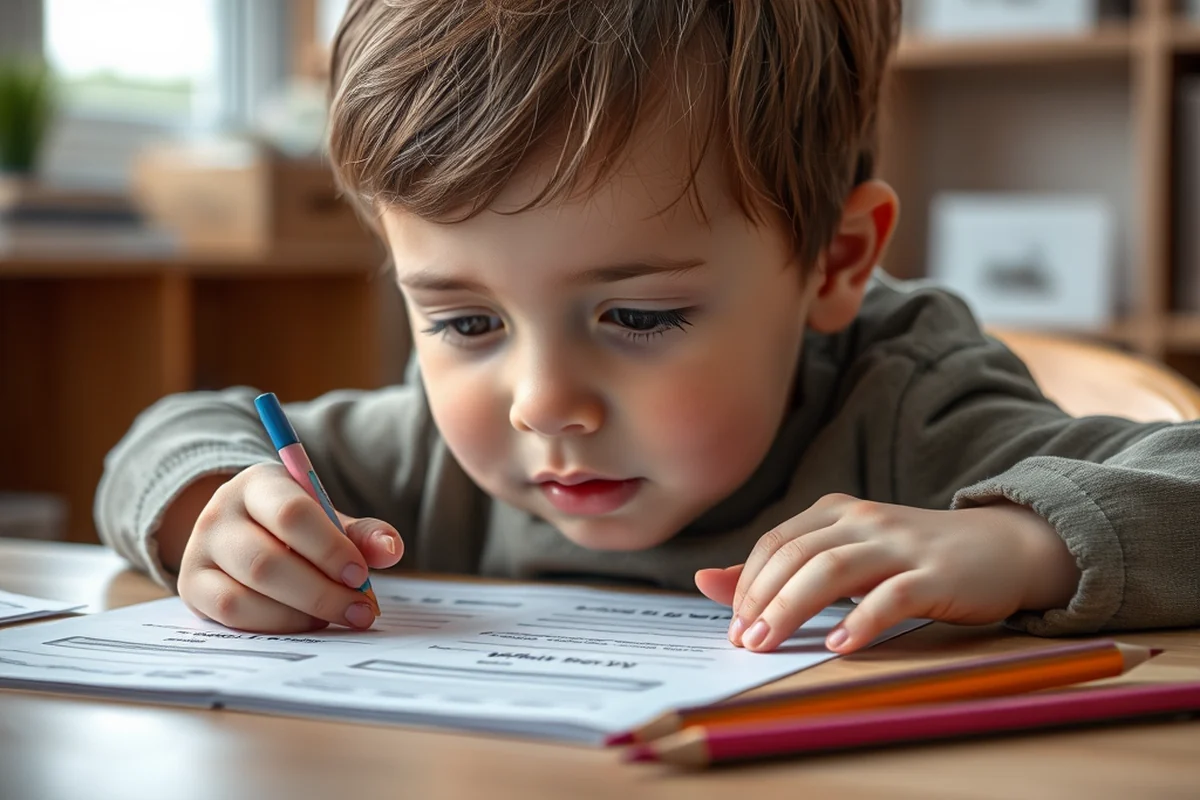
In the classroom, stories for kids are a powerful educational tool. Teachers can use picture books, audiobooks, or even original stories to engage students and teach a variety of subjects. For example, a story about a character who needs to solve a problem can be used to teach critical thinking skills. A story about animals in the jungle can be used to teach science concepts like habitats and food chains. The key is to make the connection between the story and the lesson clear and relevant to the children.
I once worked with a teacher who used a story about a lost puppy to help her students practice empathy and problem-solving. The kids were asked to imagine what the puppy might be feeling and how they could help it find its way home. This discussion led to a class activity where they created a map of the neighborhood and practiced using directions. The story wasn’t just about the puppy — it was a way to teach geography, communication, and compassion all at once.
The beauty of using stories in education is that they can be adapted to suit different learning styles and abilities. Some children may benefit from listening to a story, while others may prefer to act it out or draw their own version. By offering multiple ways to engage with the story, teachers can ensure that every child has the opportunity to learn and grow.
A story well-told can light up a classroom with curiosity and connection.
Related: Dolly parton children
The Benefits of Storytelling for Kids
Storytelling for kids is more than just a fun activity — it has real, measurable benefits for development. Studies show that children who engage with stories regularly have stronger language skills, better vocabulary, and improved comprehension. This is because stories expose children to new words, sentence structures, and ways of thinking. When a child hears a story, they’re not just listening — they’re processing, imagining, and internalizing language in a natural and engaging way.[2]
I’ve seen the impact of storytelling firsthand with my own children. After we started reading together every night, their vocabulary expanded rapidly, and they began using more complex sentences in their everyday speech. They also became more confident in expressing their thoughts and emotions, which has helped them in school and in social situations. Storytelling isn’t just about learning language — it’s about building confidence and self-expression.
Another benefit of storytelling for kids is its ability to foster creativity and imagination. When children hear a story, they’re not just passive listeners — they’re active participants in the narrative. They imagine what the characters might be thinking, how the story could end, and what the world might look like in the story’s universe. This kind of creative thinking is essential for problem-solving and innovation, and it can be nurtured through regular storytelling.
Encourage children to think critically by asking questions like, 'What do you think the character will do next?' or 'How would you solve this problem?'
“One Saturday morning, I sat with my 5-year-old son in the living room, trying to figure out how to keep him engaged for more than…”— Teaching Drama to Kids editors
Related: What is kids in the game
Why Stories Are Important for Emotional Development
Stories for kids are an essential tool for emotional development. They allow children to see the world through the eyes of different characters, helping them understand a wide range of emotions — from happiness and excitement to fear and sadness. This is particularly important during the early years, when children are still learning how to identify and express their own emotions.
One of the most powerful aspects of storytelling is the ability to explore difficult emotions in a safe and controlled environment. For example, a story about a character who is scared of the dark can help a child who is afraid of the dark understand that their feelings are normal and that there are ways to cope with them. This kind of emotional learning is crucial for building resilience and emotional intelligence.
I’ve seen how stories can help children process their own emotions. After a difficult day at school, one of my children came home and said, 'I feel like the sad elephant in that story.' We talked about the elephant’s feelings and how we could help it feel better. The conversation helped my child process their own emotions. This is the power of storytelling — it allows children to explore their feelings in a way that is both safe and meaningful.
Related: The kid detective cast
How to Choose the Right Story for Kids
Selecting the right story for kids is an important part of the storytelling process. Different children have different interests, developmental stages, and levels of comprehension, so it’s essential to choose a story that is both engaging and appropriate for the child’s age and maturity. For younger children, stories with simple language, repetition, and bright illustrations are ideal. For older children, stories with more complex plots and themes can be introduced.
I’ve found that the best way to choose a story for a child is to observe their interests and preferences. If a child loves animals, a story about a zoo or a jungle might be more engaging. If they enjoy adventure, a story about a hero or a quest might be more appealing. It’s also important to consider the child’s developmental stage — a story that is too complex for a young child may not be effective, while a story that is too simple for an older child may not be engaging enough.
Another consideration when choosing a story for kids is the message or lesson the story conveys. Some stories focus on kindness, while others focus on bravery or curiosity. Choosing a story with a message that aligns with the child’s current experiences or challenges can make the story more meaningful and impactful.
Related: Children s of alabama
How to Make Storytelling Interactive
Interactive storytelling is one of the most effective ways to engage children and make the story more memorable. By using gestures, props, and role-play, storytellers can bring the story to life and make it more immersive for the child. This type of storytelling encourages participation, creativity, and a deeper understanding of the story’s content.
I once had a group of preschoolers who were completely disengaged during a storytime session. But when I introduced a simple prop — a cardboard box used as a spaceship — the children were immediately interested and eager to participate. We acted out the story together, with the children taking turns being the pilot, the captain, and even the alien. This interactive approach not only made the story more engaging, but it also helped the children remember the story and its characters.
Interactive storytelling can also be used to teach important lessons. For example, a story about a character who is shy and learns to speak up can be acted out with the children, allowing them to practice speaking in front of a group. This kind of engagement helps children learn important social skills in a fun and non-threatening way.
When storytelling becomes interactive, it becomes unforgettable.
Related: Child mind institute
The Role of Storytelling in Different Learning Environments
Storytelling for kids is a powerful tool in various learning environments, each with its own unique advantages and challenges. At home, storytelling is often more flexible and personal, allowing parents to tailor the story to their child’s interests and needs. In the classroom, storytelling can be used as a teaching method, integrated into lesson plans and used to reinforce learning objectives. Even in digital spaces, storytelling for kids can be adapted through audiobooks, animated videos, and interactive apps that engage children in new and innovative ways.
One of the biggest advantages of storytelling in the classroom is its ability to foster a love of reading and learning. When a teacher reads a story aloud, it not only helps with comprehension, but it also makes reading more enjoyable and accessible for children who may struggle with reading on their own. In digital spaces, storytelling can be even more engaging, with animations, music, and interactive elements that help children stay focused and interested.
Regardless of the setting, the key to successful storytelling for kids is to make it engaging, relevant, and meaningful. Whether a child is listening to a story at home, in the classroom, or on a tablet, the story should be designed to capture their attention and inspire their imagination. The goal of storytelling is not just to tell a story — it’s to create a connection between the storyteller and the listener.
👶 Storytelling with Younger Kids
👦 Storytelling with Older Kids
📱 Digital Storytelling
🎭 Interactive Storytelling
| The mistake | Why it happens | The fix |
|---|---|---|
| Doing too much at once | Overwhelm kills consistency | Pick one small piece and repeat it for a week before adding more. |
| Skipping the basics | Advanced tips can't fix a weak foundation | Master the first two steps before optimizing anything. |
What Is The Story For Kids
References
- Remembering the Blizzard of 1993 - National Weather Service (weather.gov)
- (PDF) Story For Kids With Moral - Academia.edu (academia.edu)
Cite this guide
Teaching Drama to Kids (2026). What Is The Story For Kids. https://dramaplayarea.com/what-is-the-story-for-kids/
Feel free to cite or share this guide.