
Why Teaching Kids
📖 Table of Contents
- Why Teaching Kids Through Drama Works So Well
- How Drama Builds Confidence in Kids
- Drama as a Tool for Emotional Intelligence
- Encouraging Creativity and Imagination
- Drama as a Social Learning Tool
- The Long-Term Impact of Teaching Kids Through Drama
- Making Drama Accessible to All Kids
- Make It Your Way
- Frequently Asked Questions
The first time I sat down with a group of kids to teach a drama lesson, I wasn't sure what to expect. I had prepared a script, a few props, and a plan — but I had no idea how deeply the experience would affect me. What started as a simple exercise in acting quickly turned into a moment of connection, curiosity, and even a little chaos. I saw something in those kids that I hadn't expected: a hunger for expression, for storytelling, and for being seen. That's when I realized why teaching kids matters — it's not just about passing on knowledge; it's about unlocking potential.
Teaching kids through drama isn't about making them actors. It's about making them thinkers, empathizers, and communicators. I've spent years designing lessons that focus on emotional intelligence, collaborative problem-solving, and creative thinking. The results have been surprising. In one class, a shy student who rarely spoke began writing her own monologues after just a few sessions. Another student, who had struggled with focus, became a leader in group improvisations. These aren't just personal victories — they're proof that teaching kids is one of the most rewarding forms of education.[1]
There's something uniquely transformative about working with children. Their minds are open, their imaginations are boundless, and their feedback is often the most honest you'll ever receive. I've learned more from kids than I ever imagined possible, and I've seen the way drama can change their perspectives, their confidence, and their relationships with others. Why teach kids? Because they're not just learning — they're growing, and the lessons we offer can shape the rest of their lives in ways we can't yet imagine.[2]
Why You'll Love This Approach to Teaching Kids
- Kids learn through play, and drama provides the perfect mix of fun and learning.
- Drama helps kids build empathy, communication, and social skills.
- It's a low-cost, high-impact way to engage even the most reluctant learners.
- You'll see visible progress in confidence, creativity, and emotional intelligence.
Why Teaching Kids Through Drama Works So Well
As of August 2026, Drama isn't just about acting — it's about self-discovery, empathy, and personal growth. I've seen how even the most hesitant kids can step into a role and find their voice. In one class, a student who rarely spoke outside of school began using lines from a play during conversations at home. That's the kind of impact that can last a lifetime.
The key is creating a low-pressure environment where kids feel comfortable taking risks. I use games like 'Emotion Charades' and 'Mirror Role Play' to help them explore feelings and build trust with peers. These activities are simple but incredibly powerful, helping kids understand their own emotions and those of others.
I've also noticed that drama helps kids with social skills. In group scenes, they learn how to listen, collaborate, and give and receive feedback. It's not just about performing — it's about building relationships and understanding different perspectives.
When working with younger kids, give them emotion cards with words like 'excited', 'sad', and 'angry'. Let them act out the emotion and discuss how it feels. This helps them understand and express emotions more clearly.
How Drama Builds Confidence in Kids
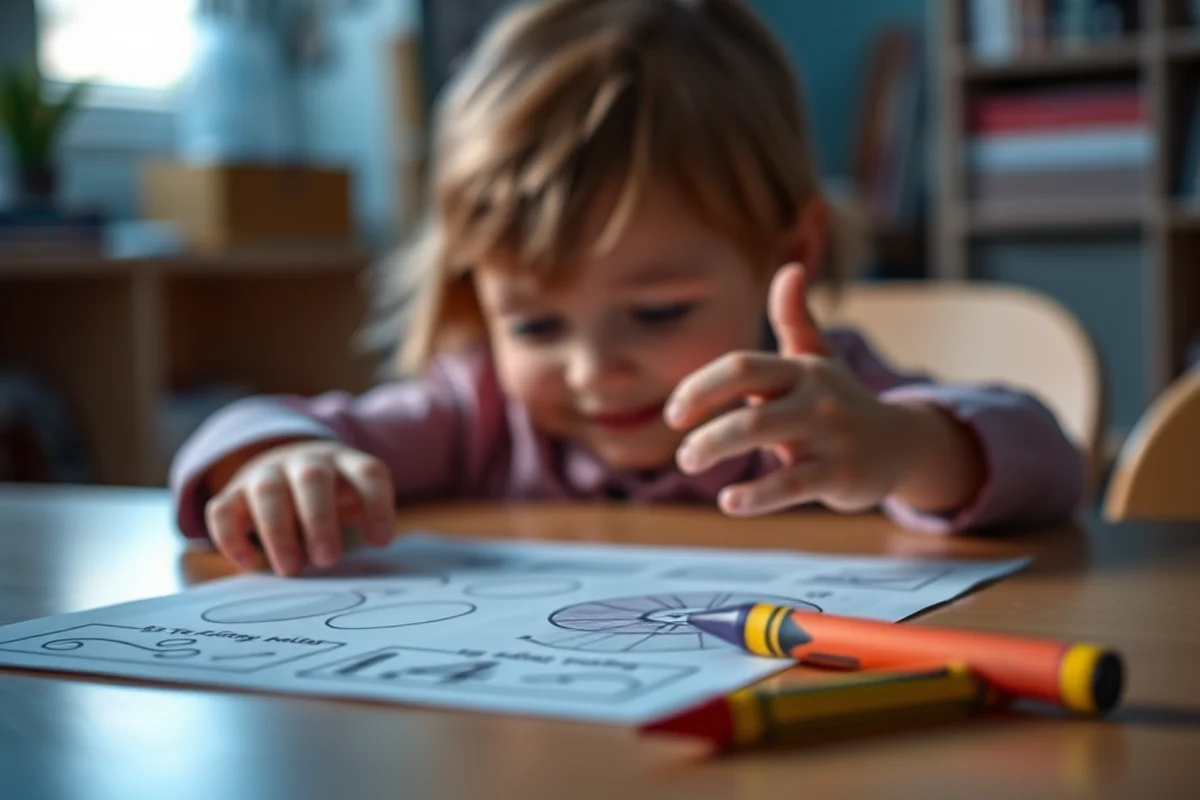
Confidence is a cornerstone of personal and academic success, and drama is one of the most effective ways to build it. I've seen shy kids transform into confident performers who stand in front of the class without hesitation. It's not just about the spotlight — it's about the process of learning to trust themselves and their abilities.
One activity I use is 'Mirror Role Play', where students pair up and copy each other's movements. It's a fun way to build trust and encourage self-expression. Another is 'Monologue Fridays', where students write and perform their own stories. These activities help kids believe in their own voices and ideas.
After a few weeks of this, I've noticed that students are more willing to take risks in other areas of school, too. They're more likely to raise their hands, speak up in discussions, and participate in group projects. That's the real power of drama — it builds confidence that extends far beyond the classroom.
Drama gives kids the courage to be heard.
Related: Why teach kids piano
Related: What is bible lesson for kids
Related: What are things to teach kids
Related: Plays For Toddlers Near Me
Related: What Is Teaching Children
Related: The Pbs Kids Schedule
Related: Kids American Idol
Related: What Is Kids Videos
Related: Educational Series For Kids
Related: Teaching Kids Budget
Related: Abc For Kids Video Hits
Related: What Is The Kid At The Back Game About
Related: Why Do Kids Have Imaginary Friends
Related: What Is Kids Playground
Related: Top Kids Movies
Related: How To Dance Videos For Kids
Related: New Kids Movies In 2026
Drama as a Tool for Emotional Intelligence
Emotional intelligence is a critical skill for kids to develop, and drama provides a unique opportunity to explore and understand emotions. I've used scenes from well-known stories, like 'The Lion King' and 'Matilda', to discuss themes like fear, courage, and perseverance. These discussions help kids make connections between the stories and their own lives.
I also use improvisation exercises to help kids practice thinking on their feet and responding to unexpected situations. In one exercise, students were asked to act out a scene where they had to solve a problem without using words. It was amazing to see how quickly they adapted and communicated through actions and expressions.
By the end of the class, many students were more aware of their own emotions and those of their peers. They were better at recognizing when someone was upset and how to respond with empathy. That's the kind of emotional intelligence that can benefit them for years to come.
Pick a short story with a clear emotional arc. Ask students to act out different parts of the story and discuss how the characters feel. This helps them connect with the emotions in the story and apply them to their own lives.
“The first time I sat down with a group of kids to teach a drama lesson, I wasn't sure what to expect.”— Teaching Drama to Kids editors
Related: You Tube Kids
Related: Pbs Kids Games Online
Related: What Is Action For Children
Encouraging Creativity and Imagination
Creativity is at the heart of drama, and it's something that all kids should be encouraged to develop. I use a variety of activities to spark imagination, from creating original characters to inventing their own stories. One of my favorite exercises is 'Improv Freeze', where students act out a scene and freeze when I say 'freeze'. This helps them think quickly and creatively.
Another activity is 'World Building', where students imagine a completely new world and create a story about it. This helps them develop their creativity and storytelling skills. It's amazing to see what they come up with — from futuristic cities to magical forests.
These activities are not only fun but also help kids develop a sense of ownership over their work. When they're allowed to create and explore, they become more engaged and excited about learning. That's the kind of creativity that can last a lifetime.
Drama as a Social Learning Tool
Social skills are just as important as academic skills, and drama is a powerful way to teach them. I use group scenes and ensemble work to help students learn how to listen, give feedback, and collaborate. These activities require them to work together and support each other, which builds a strong sense of community.
One of my favorite group activities is 'Team Improv', where students have to create a scene together without planning. This helps them practice communication and listening skills. I've noticed that students who participate in these activities are more willing to collaborate in other classes as well.
Another benefit is the way drama helps kids understand different perspectives. When they're in the role of someone else, they learn to see the world from different viewpoints. This helps them become more empathetic and open-minded.
The Long-Term Impact of Teaching Kids Through Drama
The benefits of drama don't end when the class is over. I've seen students continue to use the skills they've learned in other areas of school and life. One student who once struggled with public speaking became the class president after a few months of drama classes. That's the kind of long-term impact that makes teaching kids through drama so valuable.
Another student who had difficulty with reading began to enjoy storytelling and even started writing her own plays. These are the kinds of outcomes that show how powerful the right kind of learning can be.
I've also noticed that students who participate in drama are more likely to take risks and try new things. They're more willing to step out of their comfort zones and explore new opportunities. That's the kind of confidence and curiosity that can lead to lifelong success.
Drama doesn't just teach kids how to act — it teaches them how to live.
Making Drama Accessible to All Kids
One of the best things about drama is that it can be tailored to fit any child, regardless of age or ability. I've used simple games and exercises for younger kids, while older students have worked on more complex scripts and monologues. This flexibility makes drama a great tool for inclusive education.
For students with special needs, drama can be a powerful way to communicate and express themselves. I've used visual aids, sensory props, and simplified scripts to help them engage with the material. The key is to create a safe and inclusive environment where all students feel welcome and valued.
By adapting activities to meet the needs of each child, I've seen how drama can be a powerful tool for learning and personal growth. It's not about making everyone the same — it's about making sure everyone has the opportunity to learn and grow in their own way.
🎭 Younger Kids (3-6 Years Old)
Use simple games, songs, and props to engage younger children and help them explore basic emotions and actions.
🎭 Older Kids (7-12 Years Old)
Introduce more complex scripts, monologues, and group scenes to challenge older students and build advanced communication skills.
🧺 No-Prep Version
Use everyday objects and imagination to create spontaneous scenes, encouraging creativity without the need for props or scripts.
👥 Group Version
Create ensemble pieces where all students participate together, fostering collaboration and teamwork in a dynamic setting.
📚 Extension Activity
Encourage students to write their own stories or scripts, allowing them to explore their own ideas and express themselves creatively.
| The mistake | Why it happens | The fix |
|---|---|---|
| Not allowing enough time for reflection. | Reflection is crucial for learning and growth. Without it, students might not fully understand the purpose of the activity. | Always include a short time at the end of each lesson for students to share their thoughts and feelings about what they did. |
| Focusing too much on performance and not enough on learning. | Drama should be about learning and self-discovery, not just about being on stage. Focusing too much on performance can make kids feel nervous or self-conscious. | Balance performance with reflection and discussion. Make sure students understand that the goal is to learn and grow, not just to perform. |
| Not adapting activities for different learning styles. | Every child learns differently, and not adapting activities can make some students feel left out or frustrated. | Use a variety of activities that cater to different learning styles, including visual, auditory, and kinesthetic learners. |
| Using too many complex scripts for younger kids. | Younger children may not understand complex scripts or monologues, which can make them feel overwhelmed or disengaged. | Use simple, clear language and short scripts for younger kids. Focus on games and activities that build confidence and creativity. |
Why Teaching Kids
Common Questions
How can I get started teaching drama to kids?
What materials do I need for drama lessons?
How do I keep kids engaged during drama lessons?
Can drama help kids with learning disabilities?
References
- Activating Student Engagement Through Drama-Based Instruction (files.eric.ed.gov)
- - THE TRANSFORMATIVE IMPACT OF ROBOTS AND AUTOMATION (govinfo.gov)
Cite this guide
Teaching Drama to Kids (2026). Why Teaching Kids. https://dramaplayarea.com/why-teaching-kids/
Feel free to cite or share this guide.